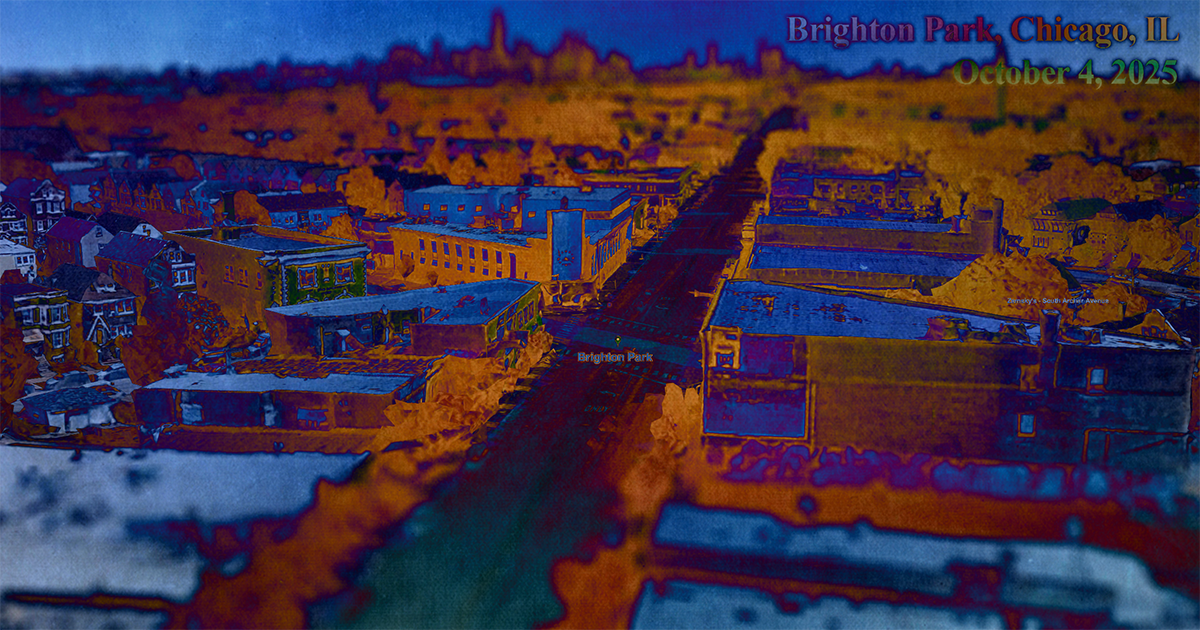
We have assembled this comprehensive report on the confrontation between ICE officers and protesters in Chicago, Illinois, on October 4, 2025. We believe this is the fairest, most objective, and most lucid analysis available given publicly information available at the time of writing (approx. 1am EST, Oct. 5)
This information is presented primarily in an effort to preserve truth, as the current situation is saturated with immediate rewriting of history by coup leaders, and it is critical to uphold an accurate record in the contemporary context.
Federal authorities have not released the full identity of the woman shot. However, it is known from officials and subsequent reporting that she was a U.S. citizen, with recent references to her presence in CBP intelligence bulletins circulated among federal law enforcement. According to statements by DHS Assistant Secretary Tricia McLaughlin, the woman had been flagged the previous week for “doxing” federal agents—publishing their personal information and calling for public disruption of ICE operations. Anecdotally, DHS attributed online posts to her, including an explicit call for associates to “not let them take anyone” and to “go [expletive] those mother [expletive] up.” However, these claims have not been independently verified, and critics point out the lack of corroboratory evidence for both doxing and violent incitement at the scene.
Advocacy organizations, notably the Illinois Coalition for Immigrant and Refugee Rights (ICIRR), have identified the woman as an “activist,” and stressed her role in rapid-response efforts meant to alert the community to the location of ICE arrests and to film or disrupt immigration sweeps in a nonviolent manner. These so-called “spotters” and their organizational networks have recently become highly visible in Chicago’s immigrant communities, tracking the movements of law enforcement to protect vulnerable persons from summary arrest and detention. Such activities, federal officials allege, have elevated the risk of violence and impaired their operational efforts, while local advocates underscore these tactics as vital to the preservation of civil rights and community cohesion.
In the immediate aftermath of the shooting, pro-immigrant organizations relayed that the woman, though badly injured, was “still in ICE custody,” and as with others detained at similar protests, would face an uncertain legal process. Activists sharply condemned the federal narrative, suggesting agents view all forms of digital organizing, community monitoring, or protest as criminal obstruction—implying that the bulletins citing the woman for “doxing” set the stage for a preemptive or retaliatory response by heavily armed agents on the ground.